Shuxuan Eleanor Yang: visual designer and design strategist of the future
Visual designer
by Elizabeth Lavis
|12 Jan 2026

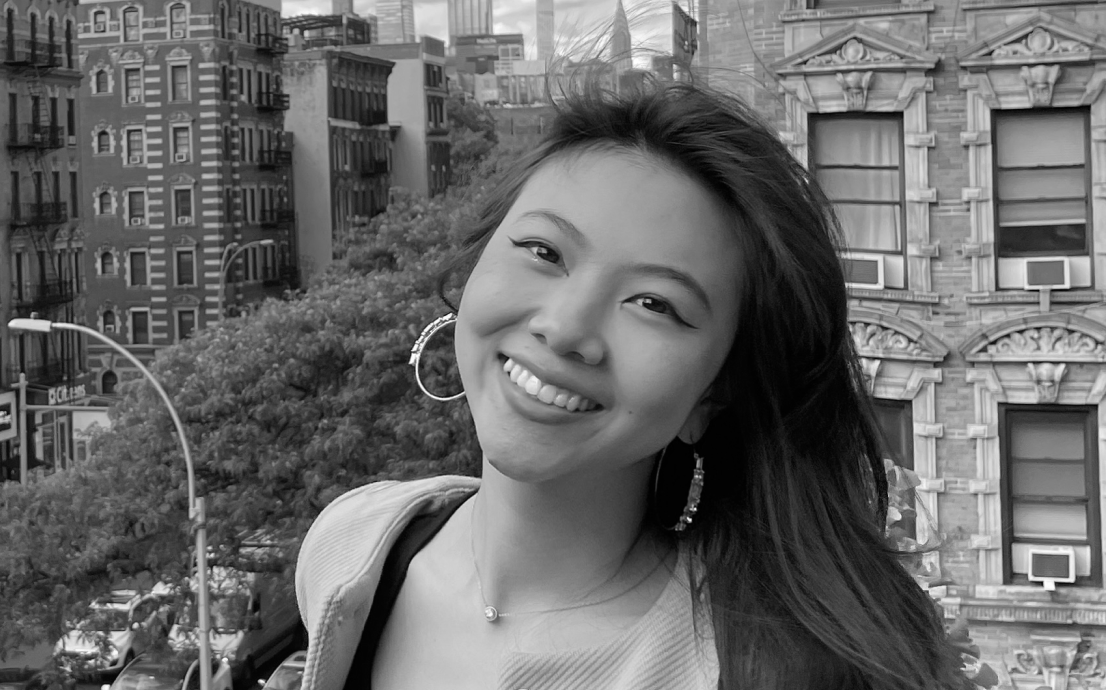
Shuxuan Eleanor Yang, visual designer and design strategist of the future, believes that design isn’t only about communication but also about creating spaces that are visual, emotional, and ethical where people can pause, reflect, and feel. “My approach is to blend logic with empathy so that a brand or system does more than appear polished,” she says. “It influences behavior, deepens understanding, and leaves a lasting impact.”
Yang’s objective is to create visual systems that not only look compelling but also move people emotionally, guide them intuitively, and push culture forward. “I see myself as a creative futurist who connects brand, story, and technology into design that makes a lasting impact,” she says.
Yang was born in China and now lives in the United States. “Living and creating across cultures has sharpened my ability to observe with depth, adapt with agility, and integrate diverse perspectives into my work,” she says. For Yang, the dual vantage point enriches her design practice with global awareness and emotional resonance. “These are qualities that are especially critical in shaping power and authentic brand storytelling,” she says.
Yang studied branding and motion at the ArtCenter College of Design, but her education went far beyond formal classroom teachings. “I gained hands-on experience at leading agencies, developed my own UX and AI tools, and consistently tested myself through global competitions,” she says. Along the way, Yang achieved multiple awards, including an Indigo Design Award, and her work has been featured in publications such as World Brand Design, Abduzeedo, and Today in Design. “For me, every project is an opportunity to advance my craft,” Yang says. “That mindset continues to drive how I work today.”
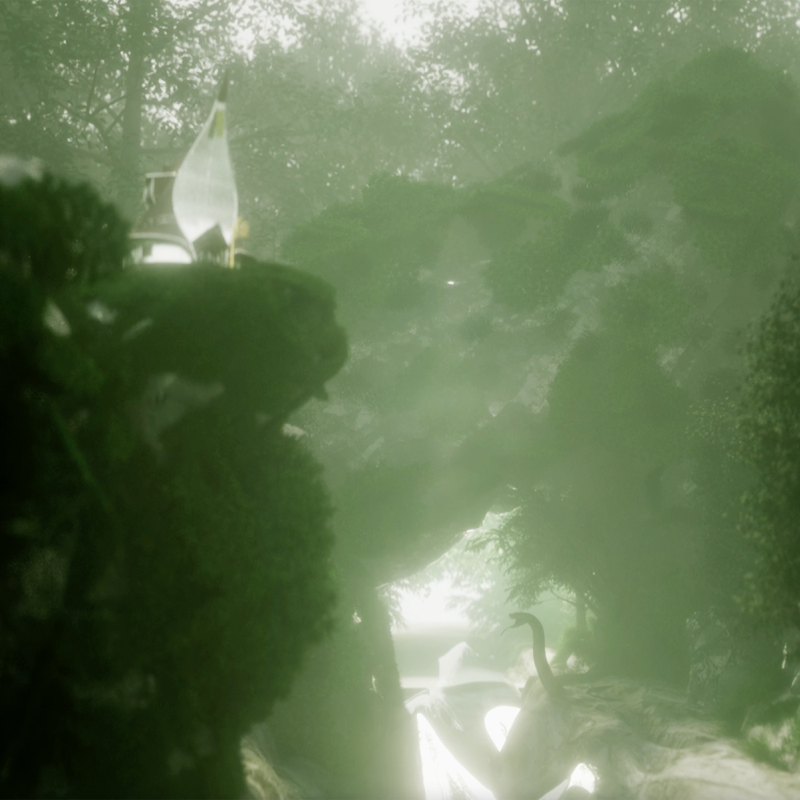

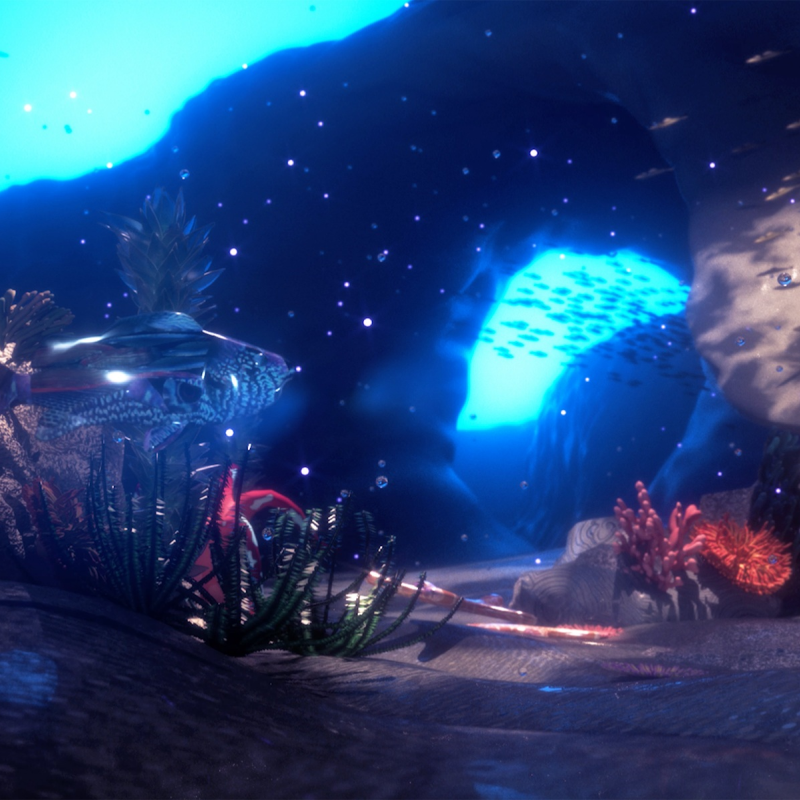
"Forgotten Whispers", Eleanor Yang
She has one easy tip for up-and-coming designers: don’t wait for permission to create. “Learn to tell the story behind your visuals, because the narrative is what makes the work memorable,” Yang says. “Keep pushing your ideas until the work feels inevitable, as if it absolutely has to exist. That is the work that stands out.”
In addition to design, Yang is driven and fascinated by different types of systems, from algorithms to ecosystems, and how design can shift the way we understand or navigate them. She also uses a systematic and immersive approach when first starting a new project. “I begin with research and narrative, and by asking what story needs to be told,” Yang says. “From there, I map the system and define how typography, motion, and interaction will work together. I then prototype in code or motion to understand how the design functions over time.” Yang’s focus is on creating a system that performs consistently and meaningfully across several contexts, rather than creating a single “hero visual.”
This functional system is at the heart of brilliant design. “A static design can be visually striking, but a living system evolves, stays relevant, and continues to engage audiences long after its initial launch,” Yang says.
Submit your work for Indigo Design Award competition