
Eun Soo Cho: Focus on Making Things Meaningful
/ Product Designer + Growth @ Mosaic
by Elizabeth Lavis | 02 Oct 2026


“Look widely, think critically, and experiment boldly”
Founding product designer and uninsured skateboarder Eun Soo Cho believes that design must be both approachable and meaningful. “I don’t see design as something distant or elitist,” she says. “I see it as a language that should be easily understood, felt, and used. Good design doesn’t just look beautiful; it helps people navigate the world more intuitively, inclusively, and meaningfully.” She advises aspiring designers to dive deeper than beauty, focusing on what makes the design relevant. “Look widely, think critically, and experiment boldly,” Cho says. “Develop your own perspective, and remember that your unique interpretation of the world can become your greatest strength as a designer.”
Cho comes from South Korea, a country where tradition and modernity constantly coexist. “Growing up in a neighborhood full of traditional houses, I was surrounded by the elegance of curves in architecture and the quiet narratives embedded in each structure,” Cho says. “This environment taught me to see design not only as visual beauty but also as a dialogue between history, culture, and daily life. That perspective continues to shape my work as I strive to create designs that are both practical and culturally resonant.”
She fell in love with design when she understood its strategic potential. “I loved the ability to take an idea, visualize it, and then bring it into reality in a way that impacts people’s behavior,” Cho says. “As I researched references across different disciplines, I became fascinated by how design can function as both a visual language and a practical tool for shaping experiences.”
Today, Cho lives in New York City, which she finds an endless and constant source of inspiration. “Walking through New York, I capture small, overlooked details, whether it’s a street scene, storefront, or pattern on the ground,” Cho says. “Reviewing these later helps me reconnect with the human side of design: how people live, move, and interact with their environment.”
She also begins every day by absorbing herself in the world around her, by scanning news and opinion pieces to see how people are making sense of what’s happening. “I keep a notebook where I document insights about human behavior, pain points, and cultural shifts,” Cho says. “For me, design starts with strategy: identifying needs, framing problems, and only then moving towards creative solutions. This ensures that my work isn’t just visually engaging, but also deeply relevant and practical.”
She balances strategy and creativity by allowing strategy to do the foundational work, and then for creativity to challenge the vision. “That balance ensures the design is not only functional and timely, but also inspiring and future-proof,” Cho says. For Cho, the most important part of a design is accessibility and clarity. “A design succeeds only if people can understand it intuitively and integrate it seamlessly into their lives,” she says. “I believe good design reduces friction. It empowers people by making the complex feel simple and the unfamiliar feel approachable.”
When she’s not designing, Cho is focusing on her guilty pleasures, which include skateboarding without insurance and running while jaywalking. “They’re small acts of rebellion that remind me that, as with design, we should always leave room for playfulness and freedom,” she says.
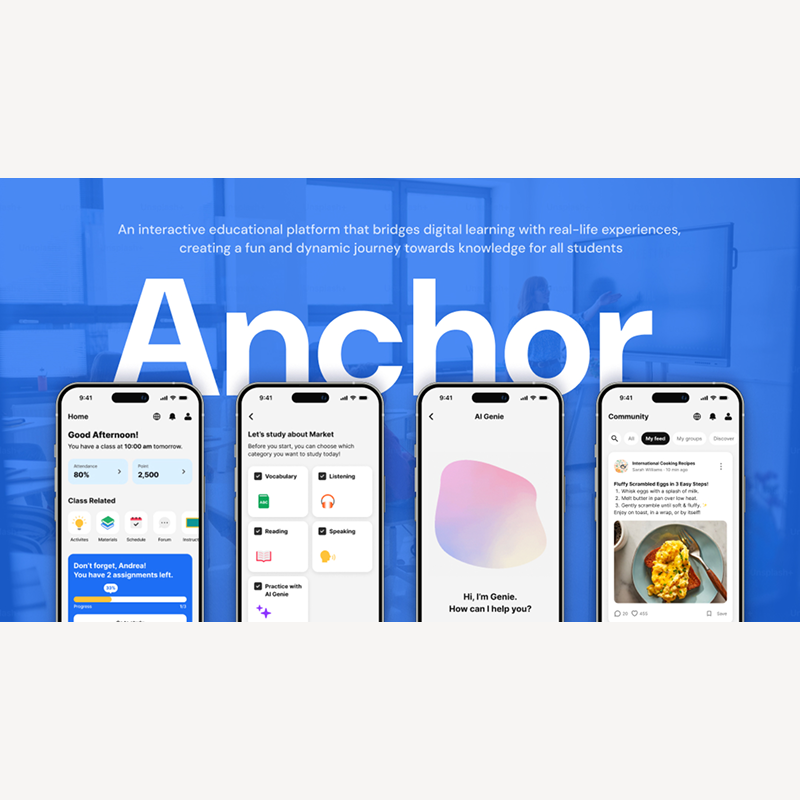

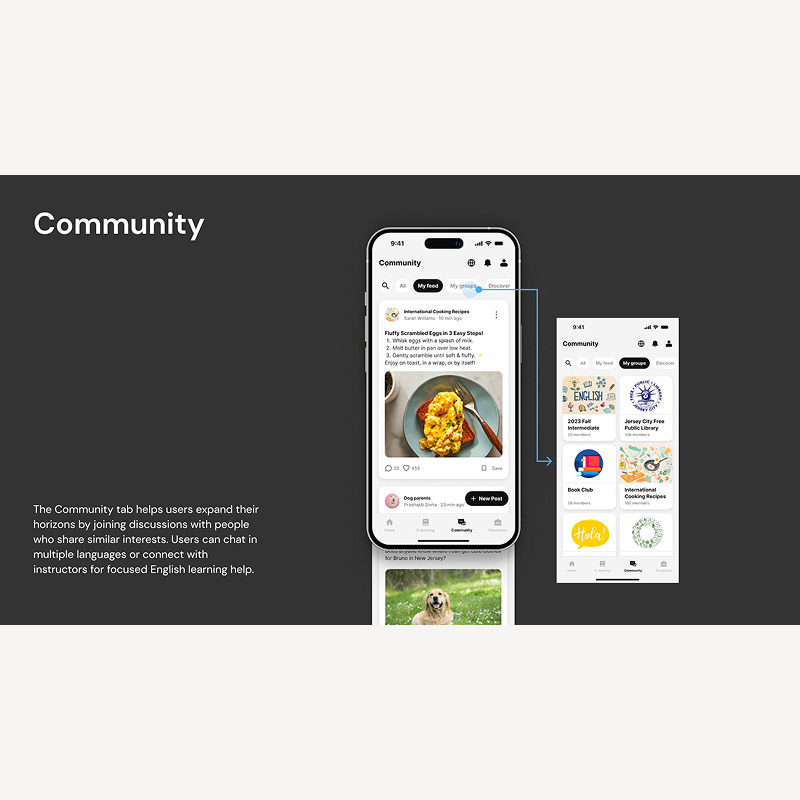
Anchor