
Qinwen Feng: Empathy-Led Design
/ Industrial Designer
by Elizabeth Lavis | 26 Oct 2026


“For me, the most important part of a design is empathy and emotional resonance.”
Qinwen Feng’s inspiration for his Indigo award-winning work, illumee, came directly from his own experiences and challenges navigating the job market. “Realizing how difficult job hunting is today opened my eyes,” he says. “I channeled my insights into a design that addresses adaptability and modern life.” Feng is in the process of updating his portfolio and branding materials and plans to feature his win prominently. “I think it will be a great asset in the near future,” he says. Winning was also very rewarding; a powerful confirmation that his hard work and effort were appreciated. “I would definitely recommend it to others,” he says. “The entire submission process is very straightforward and clear.”
Feng approaches design by identifying genuine human needs and applying a systems-thinking lens to how to solve the problem. He also believes that through empathy and experiencing the world around us, we can anticipate what people need and address it through design. “My biggest advice for aspiring designers is to step away from the screen and go outside,” Feng says.
He believes that current trends like extreme minimalism won’t last, because they lack utility and leave users confused. The key is to strike a balance between aesthetics and real-world functionality, as well as tap into empathy. “Emotional design deserves a lot more attention,” Feng says. He emphasizes the need to focus on people’s inner worlds, needs, feelings, and experiences. “For me, the most important part of a design is empathy and emotional resonance,” he says.
Feng grew up in Wuxi, a historic town in Southern China, and credits his environment with shaping his design philosophy in very meaningful ways. “My work often reflects a sense of quietness and composure, a quality I call ‘calmness’,” Feng says. His hometown taught him how to be patient and deliberate and infuse clarity and tranquility into his work.
His design approach starts with deep industry research to pinpoint growth opportunities, then he defines the problem, starts building prototypes, and refines until he reaches the final product. Strategy is key for Feng. He believes that the ultimate goal of design is to solve problems and that creativity should align strictly with the project objectives. “If a creative idea is overly flashy or novel but doesn’t serve the strategy, I’m more than willing to cut it,” Feng says.
Feng staves off burnout by taking walks, resting, and allowing himself time to clear his head. He also finds inspiration in science fiction movies and experimenting with 3D printing. Pinterest is his go-to tool for mood boarding and exploration. He plans to grow professionally by taking on a broader array of projects and updating and auditing his portfolio. Doing this allows Feng to refine his old work and elevate his standards. What he loves most about his job is simple: the opportunity to learn and explore new industries and see different perspectives that keep his creative process fresh and exciting.
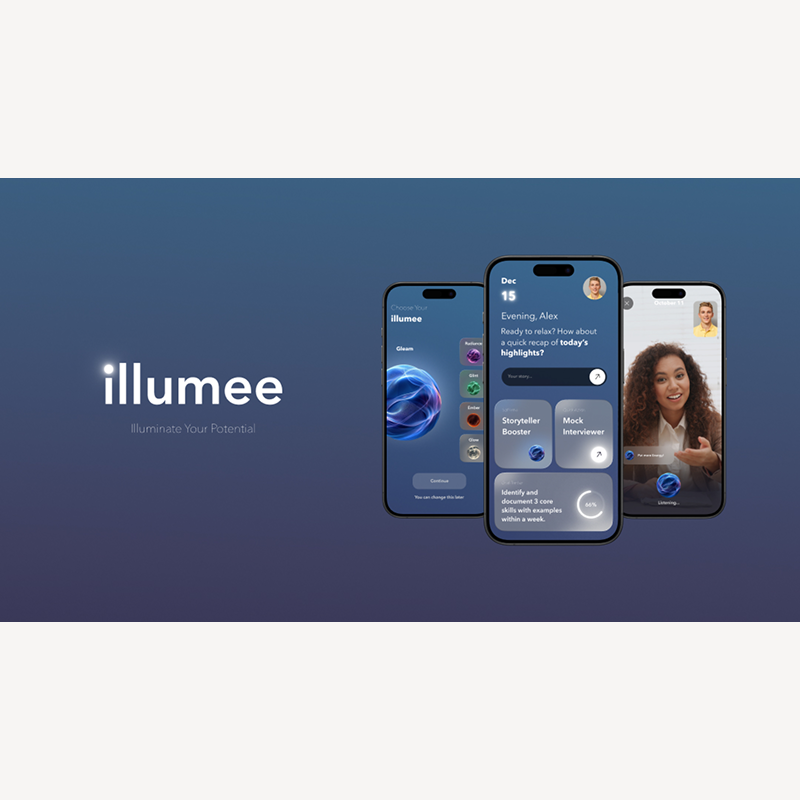

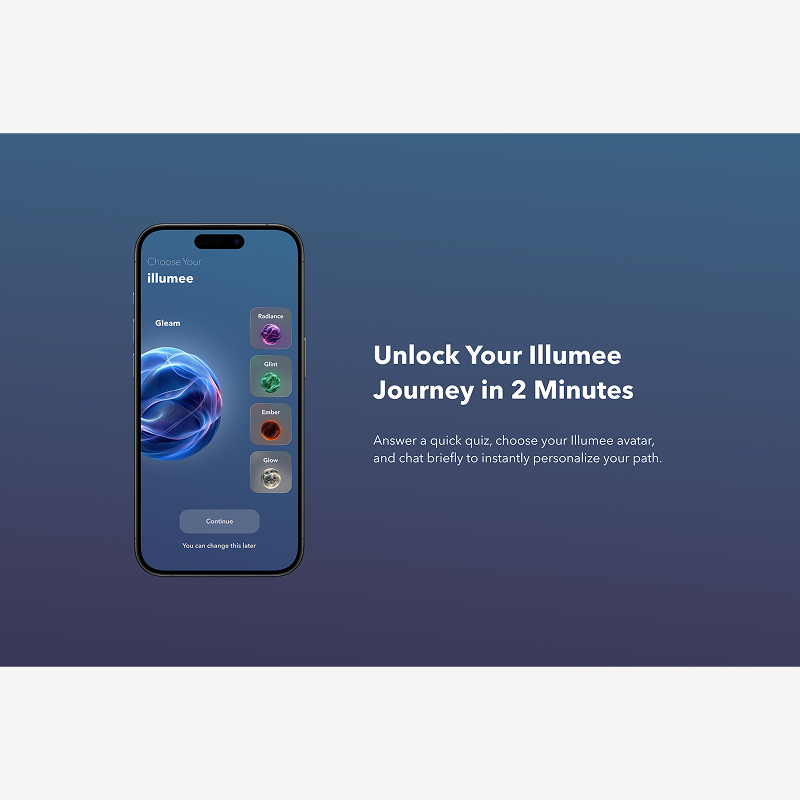
illumee - Your Personal AI Coach