
Shengjie Wu: Award-Winning Work Makes You Stop and Think
/ Graphic Designer, Shengjie Design
by Elizabeth Lavis | 26 Oct 2026
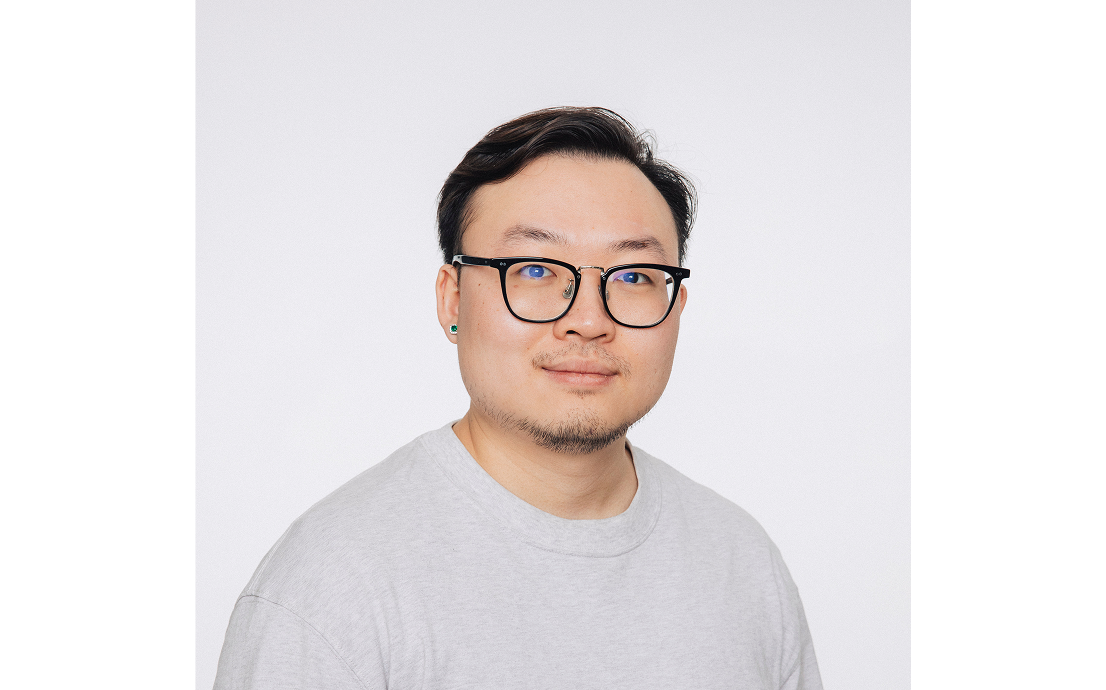

"An award-winning project usually has something that makes you stop, think, or feel something."
Shengjie Wu, graphic designer and unofficial storyteller for Shengjie Design, believes that award-winning work is something that goes beyond being visually good and makes you stop, think, and feel something. Wu took home several Indigo Design awards in 2026, including gold in the book design category for his work “Concrete and Code,” which was inspired by how quickly technology is evolving and the problem of information overload. “I saw how many contemporary websites were moving towards a lighter, more stripped-down visual language,” Wu says. “It reminded me of Brutalist architecture.” The idea of Brutalist architecture sparked his vision for “Concrete and Code,” which reduces the noise and presents information in a distinctly clear and direct way.
“Being an Indigo Design Award winner gave my work more exposure and me the confidence to keep exploring and pushing,” Wu says. He also notes that winning his awards helped him reach a wide audience and open up more opportunities. “It felt really exciting and rewarding to win,” Wu says. “It was a great feeling to know that something I put so much time and thought into resonated with the judges.”
Wu’s biggest mentor and influence during his design journey is Cheri Gray. She taught him that design went beyond just making something look good but that alignment, typography, and understanding the hierarchy of visual elements all needed to factor in. With her guidance, Wu gained a deep appreciation for design fundamentals and why certain design decisions work. “A lot of the way I approach design today comes from that foundation,” Wu says.
Wu lives in Los Angeles and constantly finds inspiration in his surroundings, especially the graffiti, architecture, and signage. He finds it helpful to step away from his phone screen and appreciate everyday details. He also looks at objects, like packaging, tickets, and stickers, finding inspiration in the smallest details.
He's also inspired by designers like Josef Müller-Brockmann, Paul Rand, and Yaheng Li, as well as Pentagram's identity for MoN Takanawa: The Museum of Narratives. Wu is still figuring out how to describe his own style, and he continues to grow professionally by staying curious and embracing lifelong learning. “I keep exploring different mediums, so I have more ways to express ideas and tell stories,” Wu says. “I also want to keep learning from other designers, studios, and the world around me.” For Wu, growth means never feeling like he’s got it all figured out. “I love the opportunity to be a storyteller with my work,” he says. “Every project has its story and concept, and I like finding the right visuals to bring it to life.”
In his downtime, Wu indulges in his favorite childhood treat: Latiao, a spicy snack that transports him right back to his youth. “It's probably not the healthiest habit,” he says. “But I really can’t resist it.”
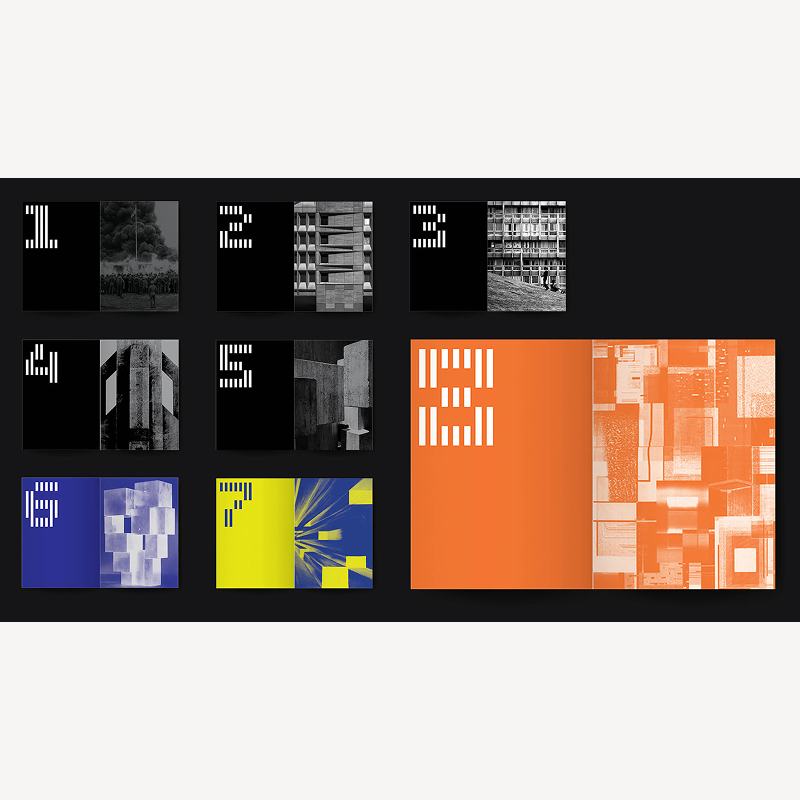
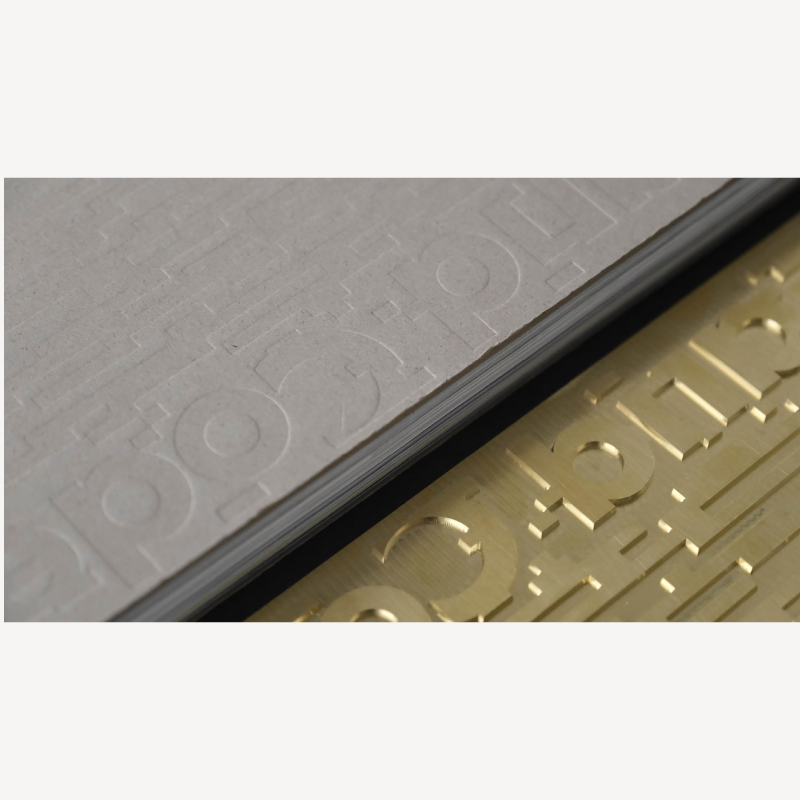
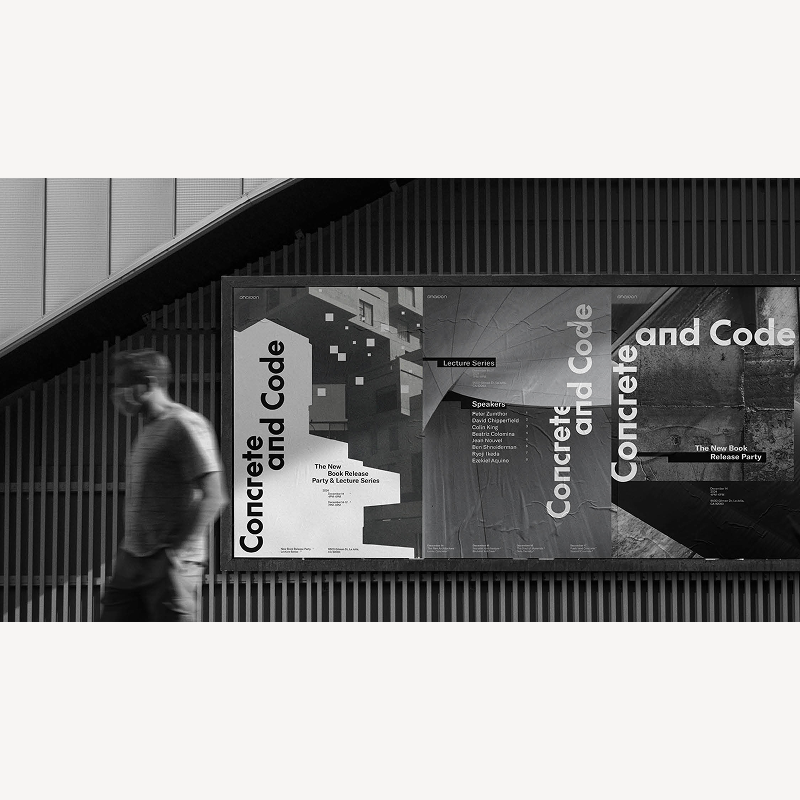
Concrete and Code