INDIGO DESIGN WINNER 2020
INDIGO DESIGN WINNER 2020
INDIGO DESIGN WINNER 2020
INDIGO DESIGN WINNER 2020
INDIGO DESIGN WINNER 2020
INDIGO DESIGN WINNER 2020
INDIGO DESIGN WINNER 2020
INDIGO DESIGN WINNER 2020
Own company Branding and implementation as Social entrepreneurship and designer
/by Takahiro Sato

2020 Professional Winner
Bronze Winner in Branding for Social Change
Created by:
Design Director
Takahiro Sato
Design Company
Gerbera Design Inc.
Design Team
Social Designer/Chief Designer(Creative Director): Takahiro Sato Graphic Designer : Asami Sato Photographer: Takahiro Sato
Credits:
Individual Credits
Photographer: Mance Thompson
Model: Kendrick
Model: Serene Mangmati
Dancer: Kenta Kambara
Model: Massimiliano Montaleone
Model: Lynette Nimo
Model: Mariana Blinova
Photographer: Takahiro Sato, Gerbera Design Inc.
Model: Irene Altopiedi
Model: Violet Christie
PR: Sena Yamazaki, Gerbera Design Inc.
Model: Henry Ferland
Photographer: Nobuyuki Arai
Model: Brigida Altopiedi
Drone pilot: Yasuyuki Yamada
Model: Valentine Romanski
Photographer: Serene Mangmati
Model: Curtis Dixon
Description
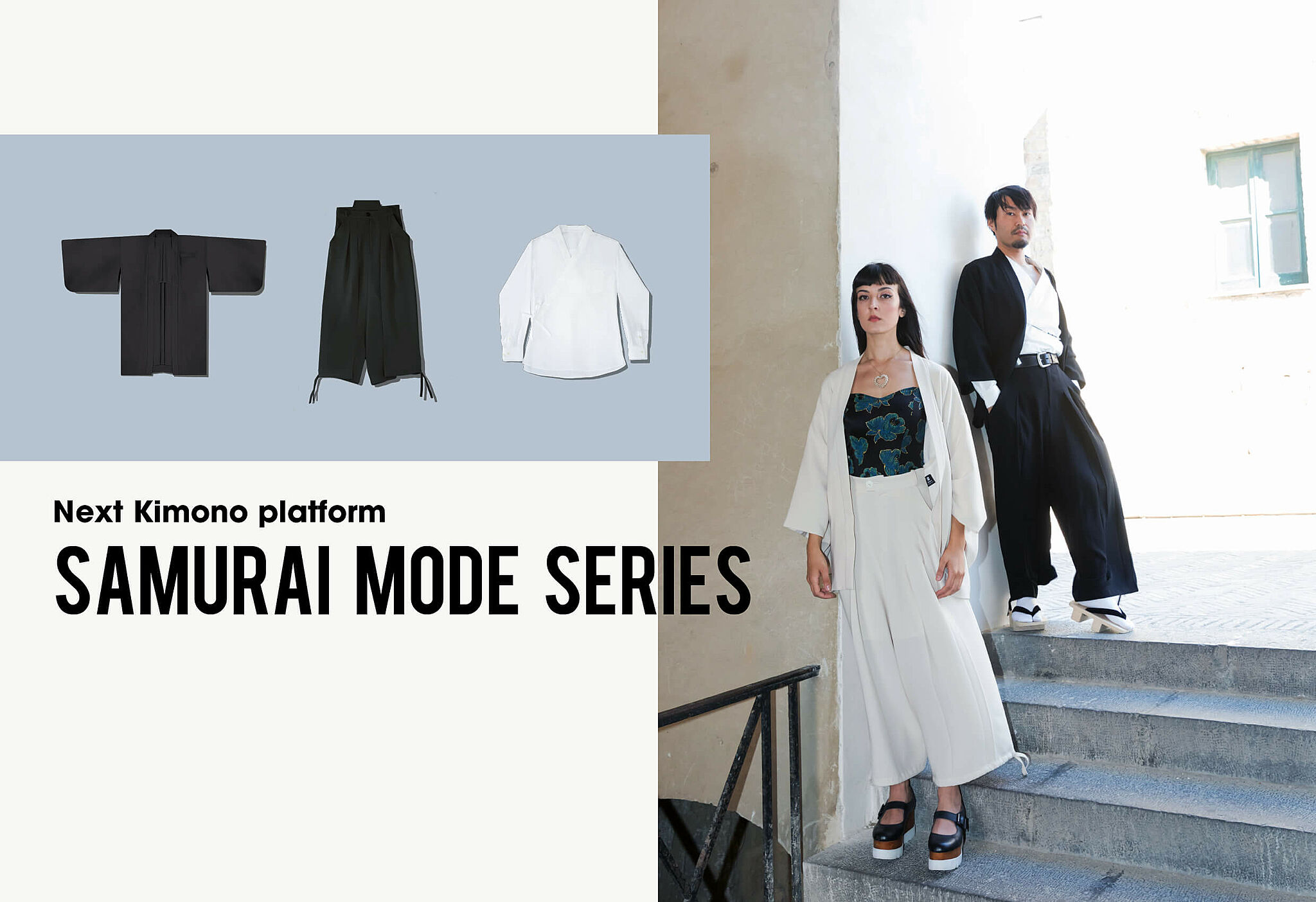
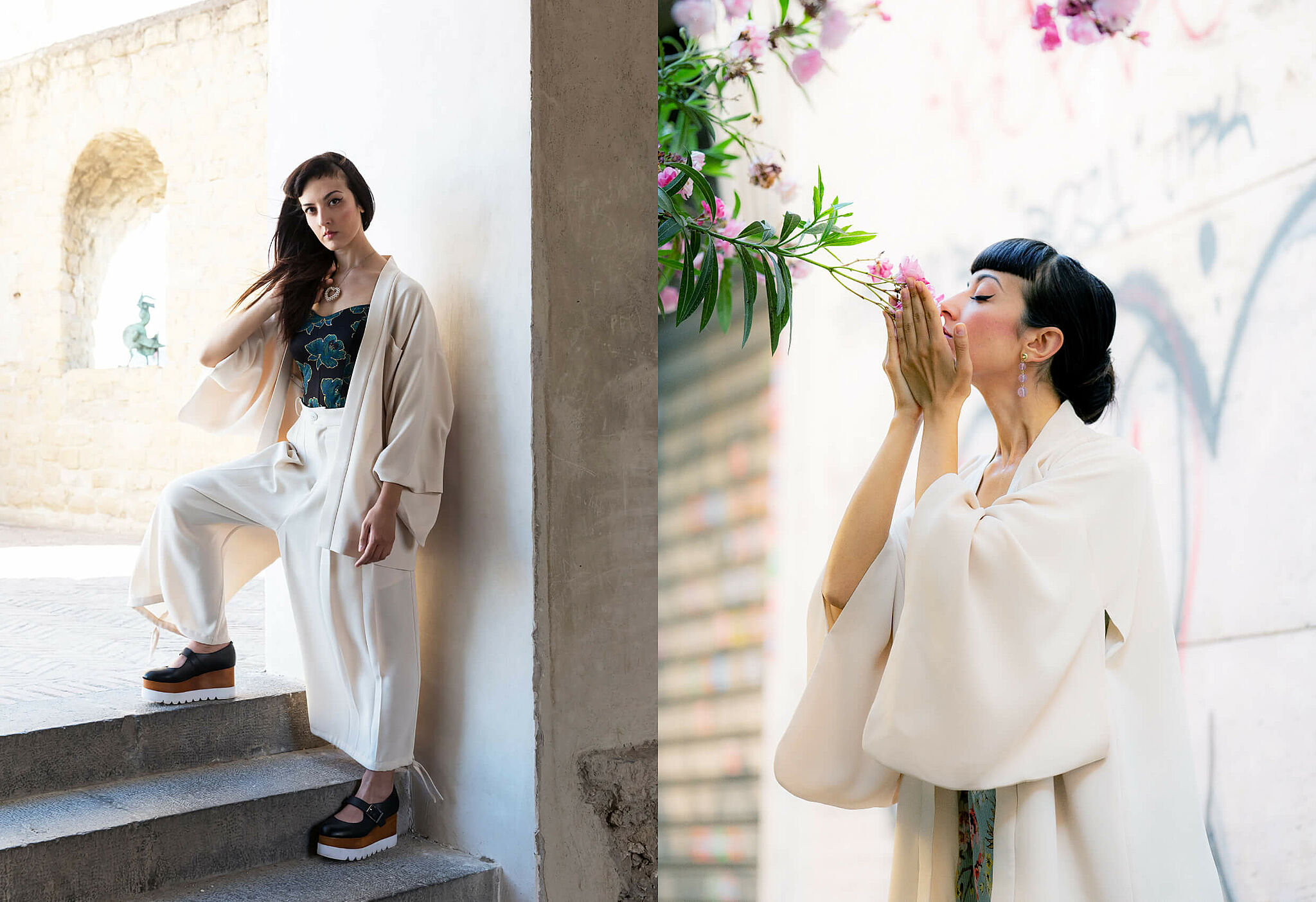
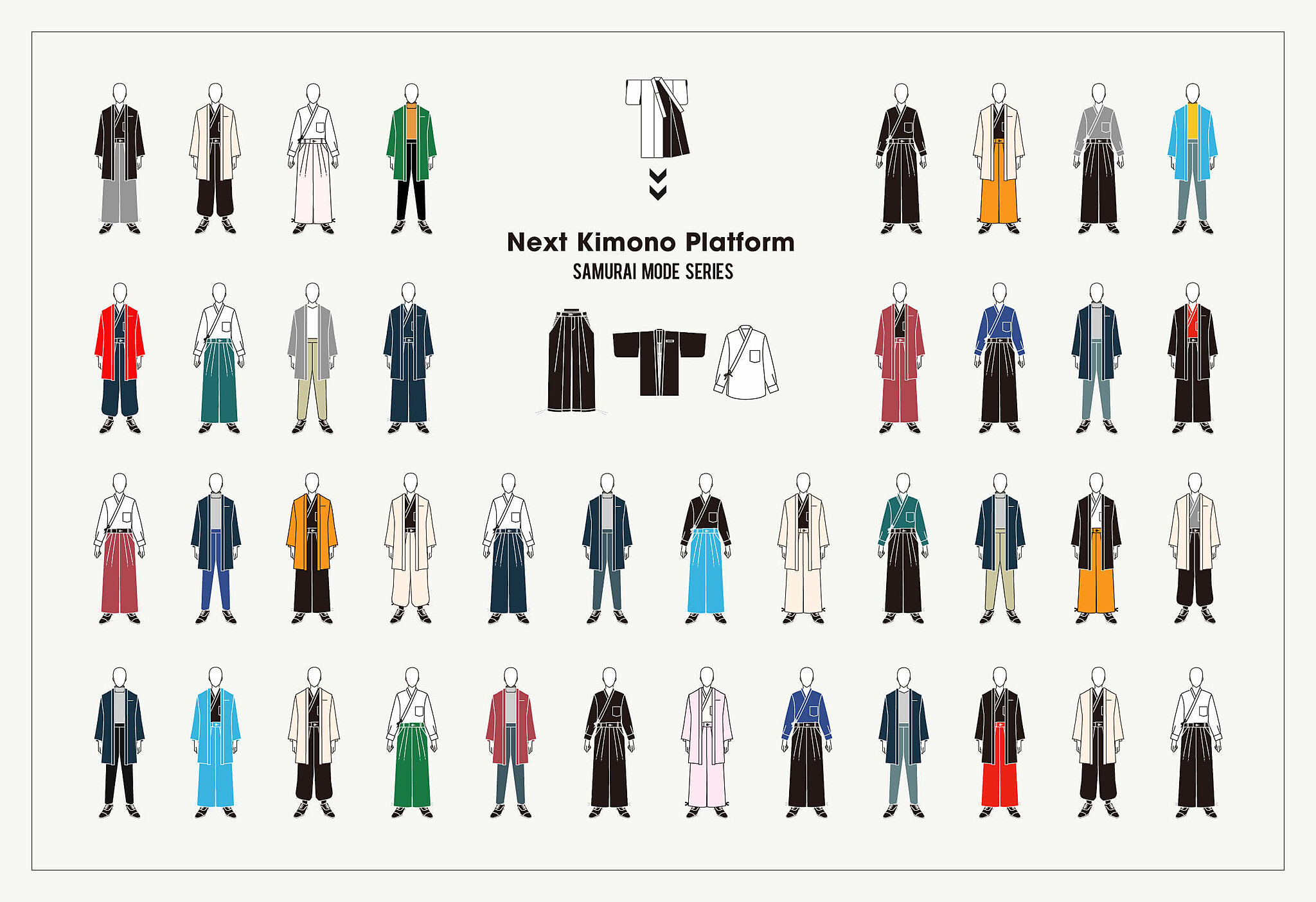
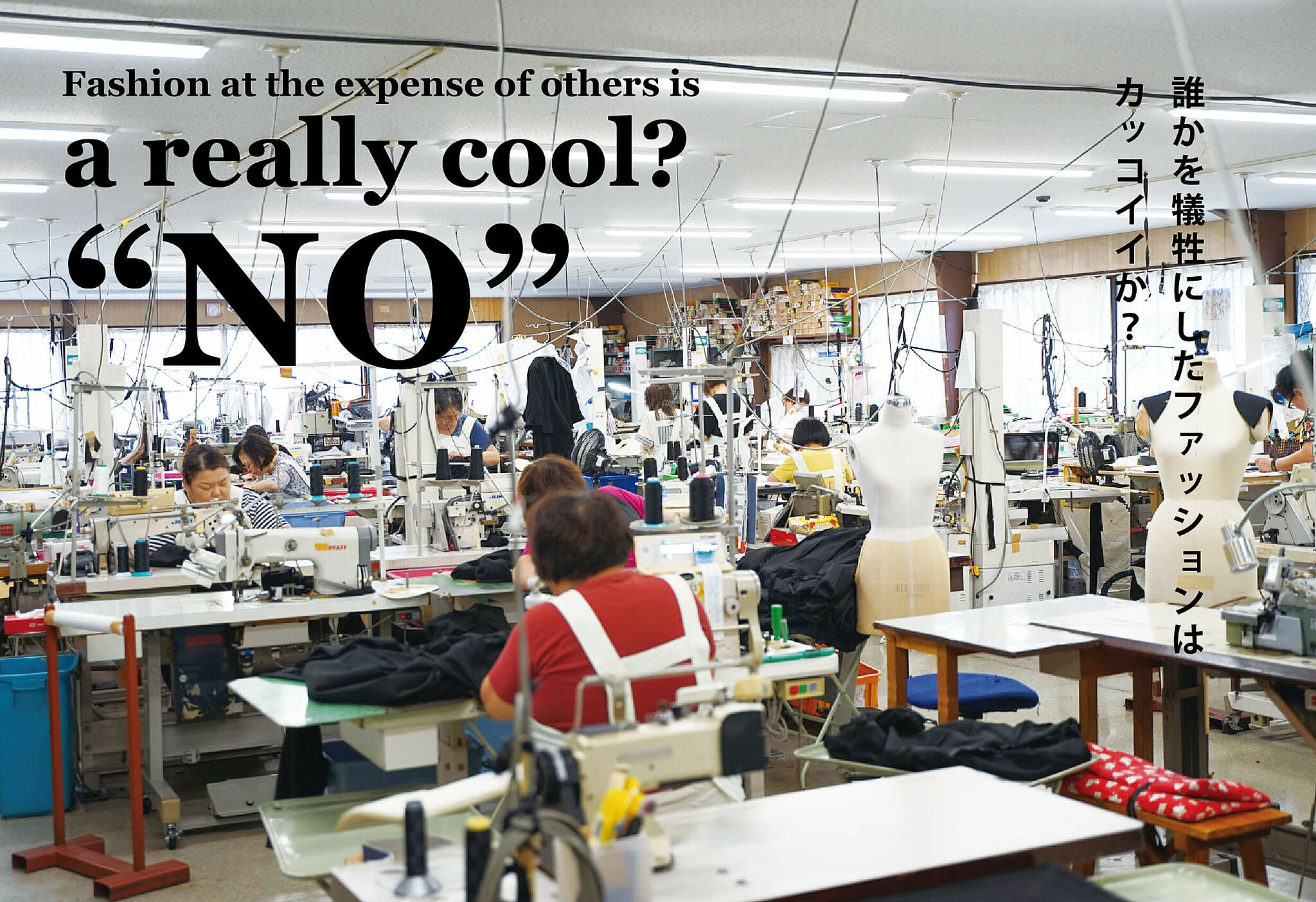
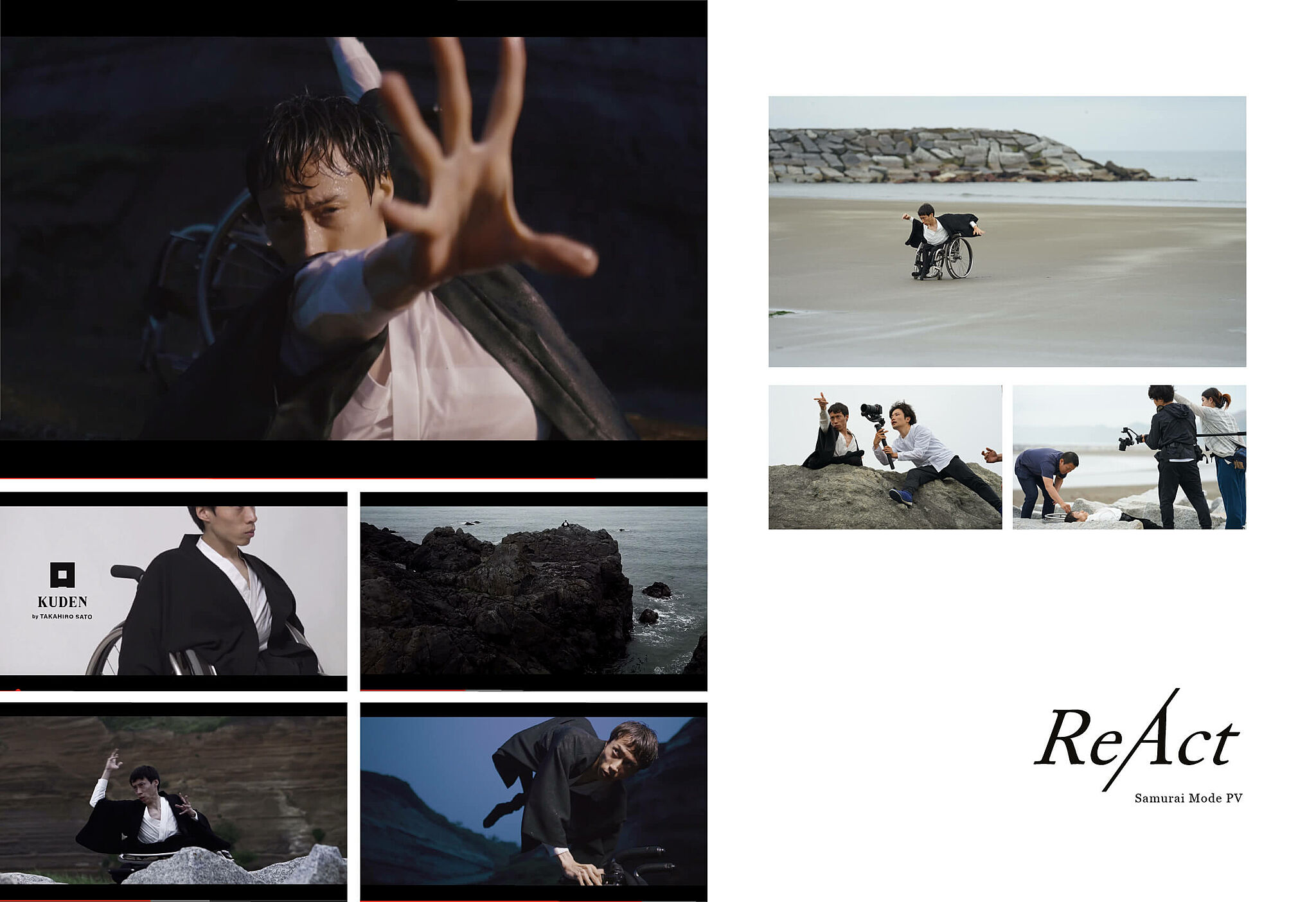
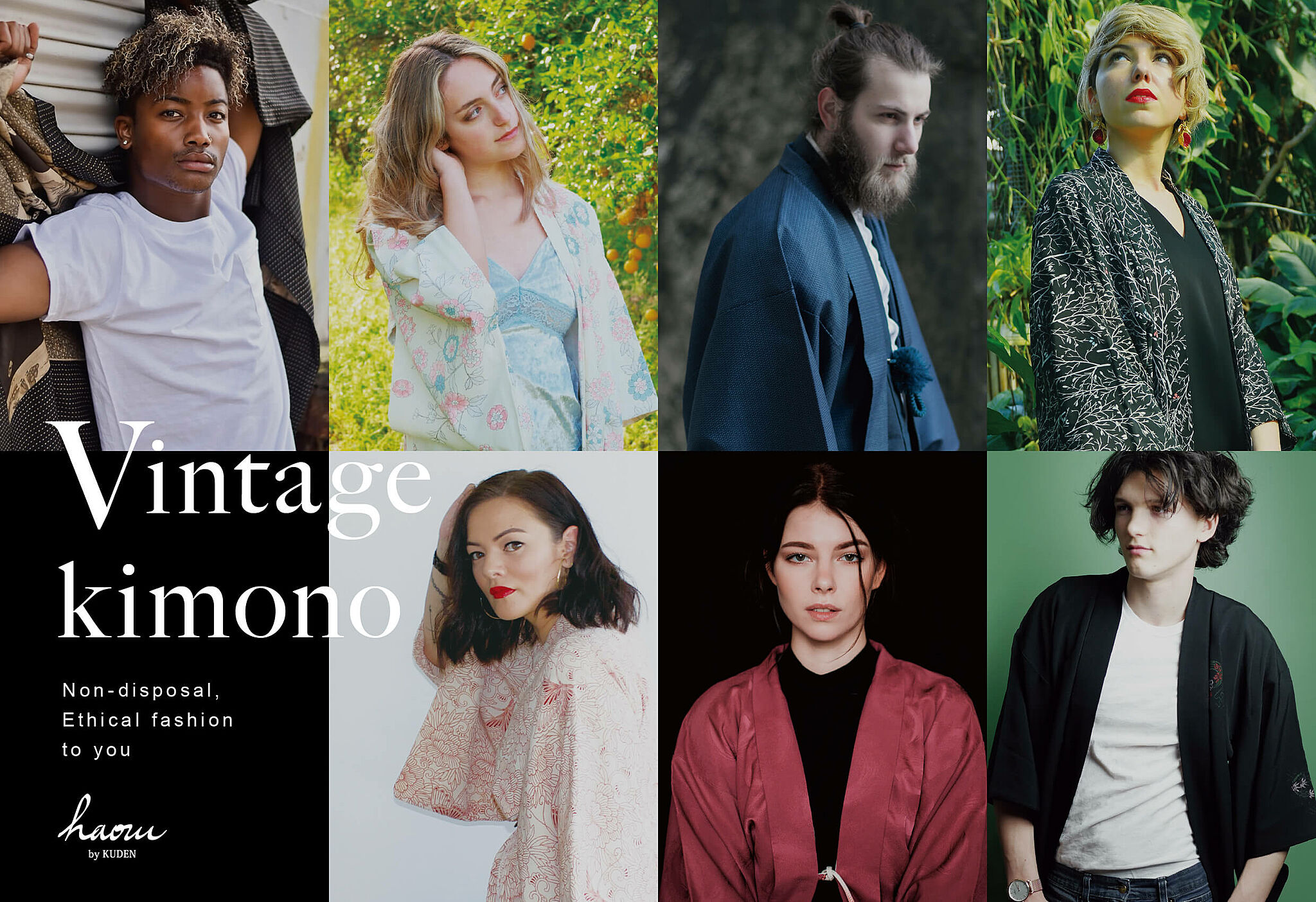
KUDEN is own brand of Gerbera Design Inc. and challenge to solve 2 social issues “Disappear Japanese traditional kimono culture”and ”Lost high sewing technique for both Japanese and Western” by social design. Nowadays kimono is known all over the world but on the other hand, the scale of Japanese kimono market is 1/10 compared to 35 years ago. Disappearing kimono as usual outfits, most Japanese can’t wear kimono by themselves. The job of "wasai" (Japanese dressmaking) decrease and also have agin issue for artisan, it faces disappearing problem. To solve these issues, we need a policy to expand kimono market and make more demands of kimono and also remove the obstacle to wear kimono in daily life. I have 2 approach to solve them, product design and branding. Because I consider branding everything from customer’s purchase to experience that enjoy outfit in their lifestyle as a field of social design, not only solve the problem of kimono by product design. ○Approach from product [ Issue to be solved ] ・The demand of kimono decreased because European lifestyle became popular in Japan. The kimono business world developed only the high value-added products to recover sales. Those history makes kimono to be recognized as “Expensive kimono” for only special day. ・Wearing kimono needs special technique “kitsuke”. Kimono was used to be daily wear, parents taught how to wear it to their children and wore in life but now it’s not usual wear but for special day so many people can’t wear kimono now. ・By Change the climate and lifestyle, there is no place to go wearing ・The short cycle of collection by mass-production and mass-disposal for brand profit forces factory to sew clothes from scratch every time for single-use design. Their efficiency of finance goes down.(Write a reason to adapt western dressmaking below) [Solution] I focus on the fact that kimono is long life design & 1 design continued 400 years ago in Edo period. I consider kimono as a fashion platform, to make it suitable for modern daily life, to be no need kitsuke fashion, I redesign as “Next Kimono platform”. It’s a Samurai Mode Series. To bring kimono now recognized as expensive clothes only for special day back to daily outfits, I redesign as follows. ・Design without kitsuke to wear ・3 piece set design to wear separately, suitable as daily outfits to lifestyle in both modern Japan and many kinds of climate all over the world ・To actualize affordable price as usual outfits, adapt western dressmaking, not Japanese dressmaking Because of those reasons, I make the function that Japanese and people in the world take it to their life style as kimono for beginner. Also 1 design Next Kimono has a function to improve the working environment and efficiency of production and finance because the sewing factory can continue to sew same pattern, it means they accumulate the technique and increase their skills. ○Approach from branding [ Issue to be solved ] ・To make kimono, it needs expertise for making kimono called “wasai” but jobs of artisan decreases and even have to close their company because of diminishment of kimono culture. Even they have, it’s a low wage. ・Japanese dressmaking needs more time to make a clothes compared with western dressmaking so it can’t expand the market in short term Because of those issues, Japanese dressmaking needs high unit cost so I can’t actualize affordable price as usual outfits if I adapt Japanese dressmaking to Next Kimono. To increase kimono demands, to expand kimono market to the world by taking Next Kimono in their daily life as kimono for beginners, I have to down the sales price compared with traditional kimono. And also Japanese dressmaking needs more time to make a clothes compared with western dressmaking so it can’t expand the market in short term. [Secondary issue to solve by adapting western dressmaking on Next Kimono] ・The short cycle of collection by mass-production and mass-disposal for brand profit forces factory to sew clothes in unfair short term. Their efficiency of finance goes down. ・The brand sets price assumed on sale. To be able to make profits for brands even those price, they set low wage for factory. This is also the reason the working environment gets worse. [Solution] I actualize following to adapt western dressmaking, not Japanese dressmaking. ・Down the sales price compared with traditional kimono ・Make jobs for western dressmaking factory ・Can mass-production ・Can produce in any factory all over the world and expand market In addition, I have approach to improve the working environment of sewing factory below. ・By producing one by one for each customer as custom order, prevent mass-production and mass-disposal ・Cut the cost for retail store, mainly offer products to world market as D2C, keep 40~50% cost rate, publish the cost with transparency to customer to show what we do through produce and how to sale with no incorrect fact. Also take following approach to inherit Japanese dressmaking. ・Start from Next Kimono, make more people have interests on traditional kimono and demands, offer the traditional kimono (surely made by Japanese dressmaking) in 40~50% cost rate as same as Next Kimono. ・By providing free e-learning contents for kitsuke, obstacle for traditional kimono, increase demand of Japanese dressmaking KUDEN defines the social design as everything include product providing method, pricing, transparency and experience through brand.